
The French regulatory framework applicable to pets has undergone structural changes since 2024. We observe that most owners have not yet integrated the practical consequences of these developments on the ownership, feeding, and veterinary care of their companions.
Positive list of non-domestic animals and species ownership restrictions
The government is preparing a positive list of wild species authorized as pets. The principle adopted reverses the usual logic: instead of prohibiting certain species, only those on the list will be allowed for sale and private ownership.
ANSES has been tasked with defining the eligibility criteria. A decree is expected for the start of the 2026 school year. Reptiles, small exotic mammals, and specific birds are directly affected.
We recommend that current non-domestic animal (NAC) owners check now if their species is included in the draft lists circulated by the Animal Rights Foundation. Species excluded from the list will be subject to a gradual ban on sale and ownership, with transitional arrangements still under discussion.
For those wishing to delve deeper into the subject by species, a resource like animals on Chiens et Chats provides detailed sheets that cross-reference regulatory obligations specific to each animal.
Sanctions in pet shops: end of dog and cat sales
Since August 2026, pet shops that still sell dogs and cats face fines of up to 1,500 euros. These sanctions target impulse purchases, identified as a major factor in abandonment.
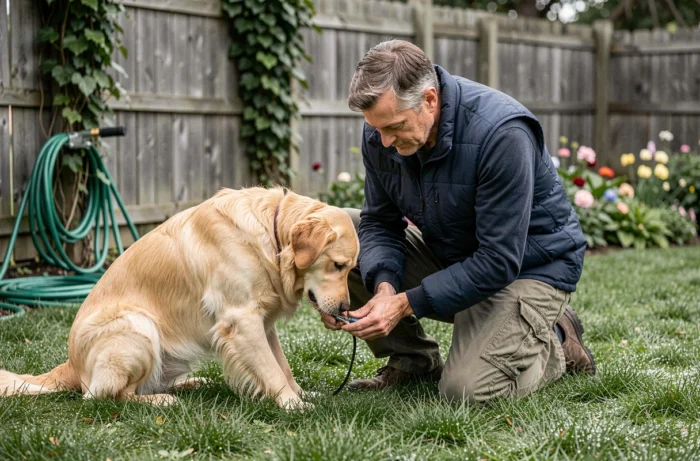
This measure stems directly from the law against animal abuse. In practice, only registered breeders and shelters can transfer dogs and cats. Intermediation by pet shops is over.
This ban has a little-discussed collateral effect: pet shops are redirecting their offerings towards NAC. If the positive list comes into effect as planned, a significant portion of these species will also become non-transferable. The traditional pet shop business model is therefore undergoing profound transformation.
Commitment and knowledge certificate: actual content and scope
The commitment and knowledge certificate, mandatory before any first acquisition of a pet, remains poorly understood. It is not just a simple administrative form.
The document includes a statement of knowledge of the specific needs of the species concerned and a mandatory seven-day reflection period between the signing of the certificate and the handover of the animal. This period also applies to adoptions from shelters.
- The certificate must mention the physiological, behavioral, and medical needs of the species (appropriate diet, minimum space, frequency of veterinary follow-up)
- It commits the future owner to the estimated lifespan of the animal and the associated costs (health, feeding, housing)
- In case of transfer without a valid certificate, the transferor is subject to administrative sanctions and the sales contract may be contested
This provision also applies to equines. A horse acquired without a commitment certificate exposes the seller to the same sanctions as a non-compliant transfer of a dog or cat.
Animal feeding: rising costs and eco-responsible segment
The price of kibble has significantly increased over the past two years. Properly feeding a medium-sized dog or cat represents a constantly rising budget, and the question of nutritional quality is becoming more pressing.
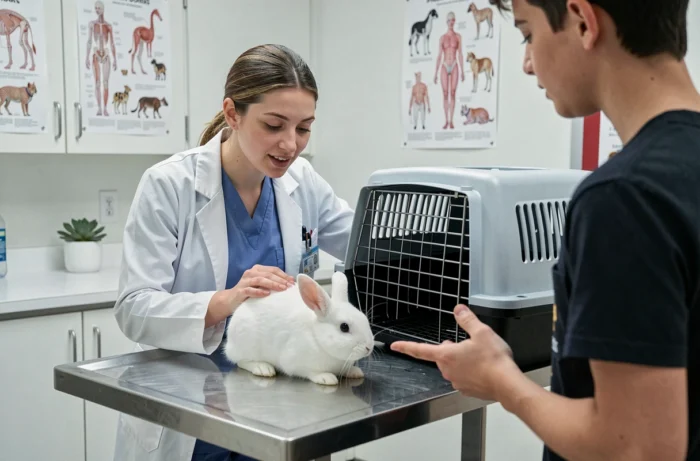
We observe a growing segmentation of the market. The segment of eco-responsible pet products is growing, driven by owners who apply the same demands to their pets as to their own diets: short supply chains, alternative proteins, absence of controversial additives.
At the same time, the market for pet treats is experiencing sustained growth in France. Luxury brands are entering the “Very Important Pet” niche, with products positioned at the high end.
- Always check the analytical composition (protein levels, crude ash, cellulose) rather than the marketing of the packaging
- The terms “natural” or “premium” do not have any strict regulatory definition in pet food
- A complete food must cover all nutritional needs without supplements, which is not the case for complementary foods often confused with standard kibble
Pet tech and connected veterinary follow-up
The pet tech market represents strong potential in France, with brands like Fnac Darty investing in the segment. GPS collars, automatic kibble dispensers, surveillance cameras: these connected devices are changing the owner-animal relationship.
The main interest lies in remote behavioral monitoring. A change in activity rhythm detected by a sensor can signal a health problem before visible symptoms appear. The French veterinary market is also evolving towards more preventive medicine.
We recommend considering these devices as complementary tools to veterinary follow-up, not as substitutes. No sensor replaces an annual clinical examination, but the data collected facilitates dialogue with the practitioner during the consultation.
The regulatory framework and the pet market in France are transforming at a pace rarely observed. Between the positive NAC list, sanctions in pet shops, and the rise of pet tech, owners who do not keep up with these developments risk finding themselves in violation or missing out on tools that can significantly improve their animal’s health.