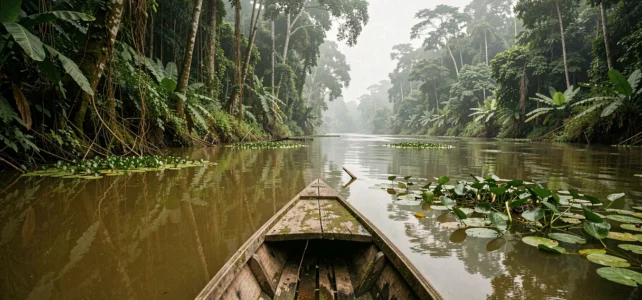
A river starting with the letter C can refer to a wide tropical watercourse several kilometers wide or a stream confined between sandstone walls. The commonality between the Congo, the Colorado, and the Chao Phraya lies less in their geography than in the diversity of landscapes they shape. This article focuses on four rivers beginning with C whose hydrological characteristics, uses, and environments warrant attention.
Congo: the deepest river in the world and its powerful waters
The Congo traverses Central Africa over a considerable distance before flowing into the Atlantic Ocean. What sets it apart from all other major rivers on the planet is its exceptional depth. No other known river reaches such dizzying depths in its bed.
This depth is explained by the geology of the basin. The river cuts through ancient rocks over a large part of its course, and its successive rapids, particularly downstream from Kinshasa, hinder navigation on certain stretches. The hydrological power of the Congo also makes it one of the rivers with the highest discharge in the world, just behind the Amazon.
For those wishing to discover the rivers in C from a lesser-known angle, the Congo offers an exploration ground where aquatic biodiversity remains largely under-documented. The flooded forests lining its banks are home to endemic fish species found nowhere else.
Colorado and Grand Canyon: a river sculpted in sandstone
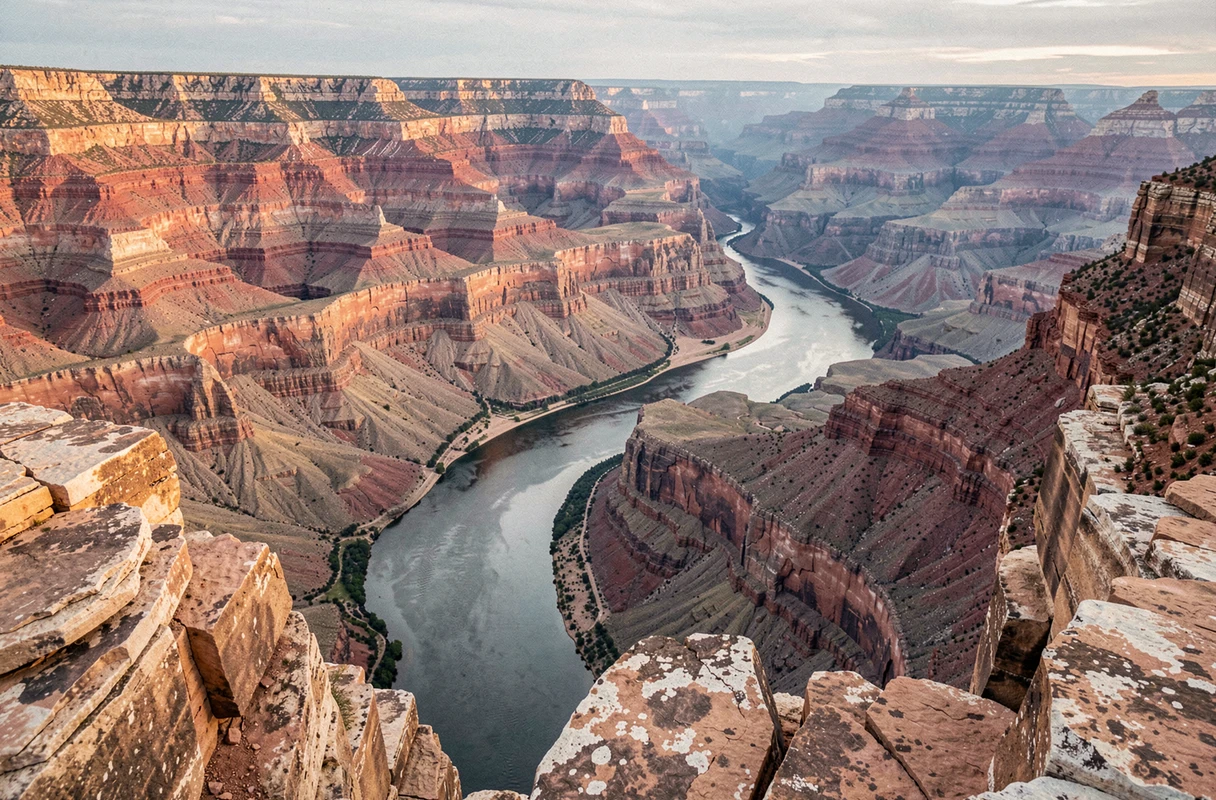
The Colorado is often reduced to a postcard of the Grand Canyon. This perspective overlooks its structuring role for an entire arid region of the southwestern United States. The river supplies water and energy to several U.S. states, thanks to a network of dams that regulate its flow.
The tourist appeal of the Colorado lies in the contrast between the aridity of the surrounding desert and the erosive power of its waters. The exposed rock layers in the Grand Canyon cover a geological history of several hundred million years, visible to the naked eye from hiking trails or during a rafting descent.
Activities and uses of the Colorado
Rafting on the Colorado remains one of the most sought-after river experiences in North America. The rapids vary in intensity depending on the sections, allowing for both sporty descents and contemplative routes.
The hydropower produced by the Colorado’s dams, the most famous of which is located at the border between Nevada and Arizona, constitutes a resource management challenge. The sharing of Colorado’s waters is the subject of ongoing negotiations among the riparian states, in a context of prolonged drought.
Columbia: the river of falls and dams in North America
Less publicized than the Colorado, the Columbia River plays a comparable role in terms of infrastructure. It flows through the northwest United States and part of Canada, supplying some of the largest dams on the continent.
Its falls and gorges offer spectacular landscapes, particularly in the Columbia River Gorge, where the river cuts between basalt cliffs. This natural corridor also serves as a border between the states of Oregon and Washington.
A river between nature and land use
The Columbia illustrates the tension between energy exploitation and ecosystem preservation. The dams have profoundly altered the salmon migration cycles, an emblematic species of the region. Fish ladders and reintroduction programs attempt to mitigate the impact, with uneven results.
For a journey focused on discovering powerful river landscapes, the Columbia combines volcanic gorges, terraced vineyards, and dense forests on a route relatively accessible from Portland or Seattle.
Chao Phraya: an urban river in the heart of Bangkok
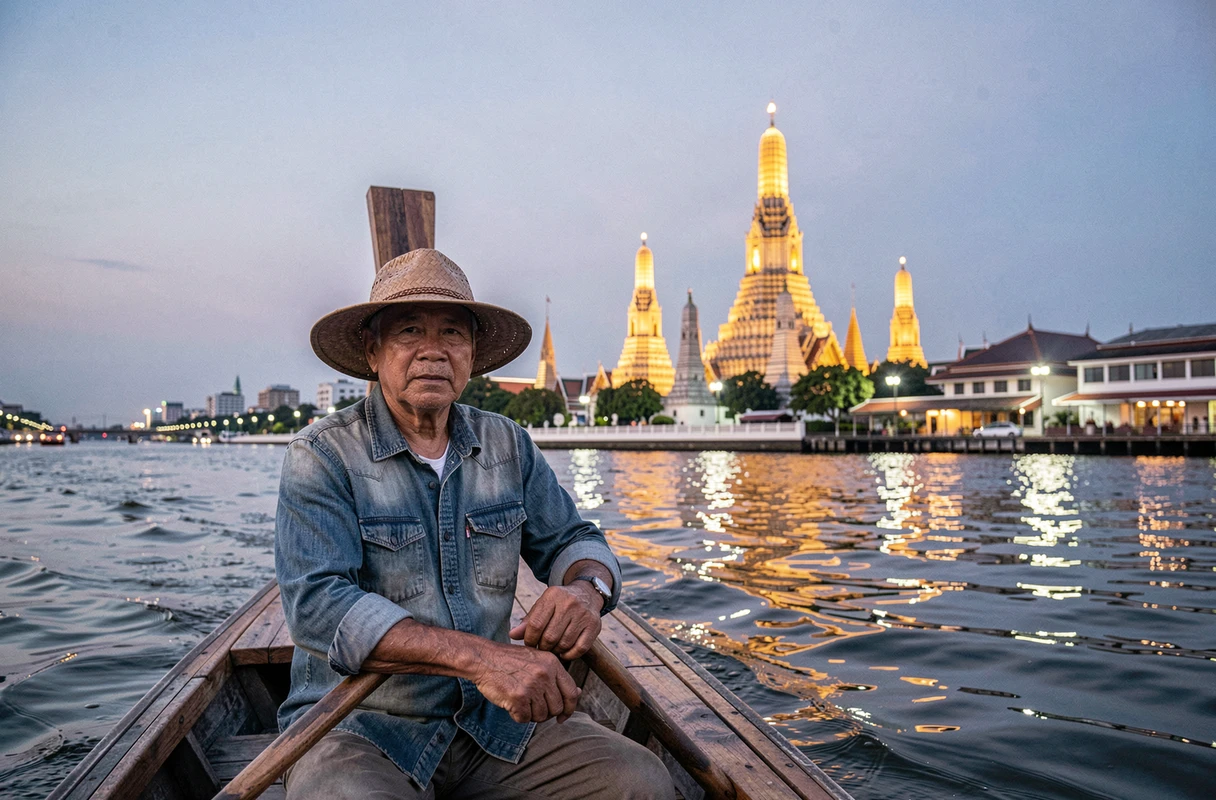
The Chao Phraya offers a radical contrast to the three previous rivers. Its interest does not lie in spectacular gorges or record depths, but in its passage through Bangkok, one of the densest metropolises in Southeast Asia.
The river structures the daily life of the Thai capital. The boats that navigate it constitute a mode of transport in their own right, used by both locals and visitors. The city’s most famous Buddhist temples line its banks, notably Wat Arun, whose silhouette reflects in the brown waters of the Chao Phraya.
A river between tradition and modernity
The floating markets upstream from Bangkok testify to an ancient river trade still active on some side canals. As the river approaches the Gulf of Thailand, the urban landscape gives way to wetlands and mangroves.
What makes the Chao Phraya unique in a list of rivers beginning with C is this layering of aspects: religious, commercial, residential. The river is not just a backdrop; it remains a functional axis around which a city of several million inhabitants is organized.
Four rivers in C, four relationships to the territory
Each river presented here embodies a distinct use of water:
- The Congo, with its depth and power, remains a territory for scientific exploration where biodiversity is still poorly documented.
- The Colorado illustrates the conflicting management of a rare resource in an arid area with high human density.
- The Columbia shows how hydropower development transforms an entire river ecosystem.
- The Chao Phraya proves that a river can remain a vital axis of daily urban life, not just a landscape to contemplate.
These four waterways share the letter C, but above all, a capacity to shape the territories they traverse well beyond their banks. The choice of river to explore depends less on the beauty of the landscape than on the type of experience sought: natural immersion, sporting adventure, industrial heritage, or urban discovery.