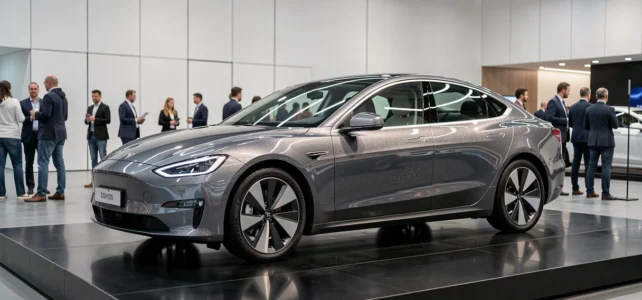
The French automotive market recorded 126,808 registrations in July 2026, representing a growth of 9% compared to the previous year. Behind this figure lies a profound restructuring: electric vehicles surged by 127% in the same month, accounting for 35% of registrations with 44,378 units.
Following trends and news in the automotive world is no longer just about watching for the next model. It’s about understanding how the industry is transforming under the influence of regulations, trade tensions, and new players.
Tariffs and Global Production: What Sales Figures Don’t Show
Have you noticed that the catalogs of certain manufacturers change from quarter to quarter? It’s not just a matter of fashion. The tariffs imposed on automotive imports are reshaping industrial strategies.
Atradius anticipates a decline in global automotive production in 2026. The main reason: trade tensions between major economic zones, combined with uneven adoption of electric vehicles and weakened consumer confidence. In short, manufacturers are producing less because selling internationally is more expensive.
This phenomenon is pushing manufacturers towards the regionalization of their supply chains. Rather than optimizing costs on a global scale, suppliers and manufacturers are now prioritizing local resilience. Specifically, this means more factories close to sales markets, less dependence on a single Asian supplier for batteries or semiconductors. For those following the automotive news on Team Auto Passion, this logistical shift explains many recent decisions by European groups.

Chinese Manufacturers in Europe: The Breakthrough with Plug-in Hybrids
There is often talk of China’s rise in the electric segment. The phenomenon is more targeted than that. According to OICA, in June 2026, Chinese brands captured 34% of the European plug-in hybrid market (PHEV). This is not a coincidence.
Plug-in hybrids represent a strategic entry point. They reassure European buyers who are still hesitant to switch to fully electric, while often being priced lower than local brands. The result: rapid penetration, without the barriers related to range or charging infrastructure.
OICA also indicates that Chinese exports could reach 10 to 12 million vehicles in 2026. This aggressive internationalization is not limited to Europe: Southeast Asia, Latin America, and Africa are also targeted. For European manufacturers like Renault or BMW, Chinese competition is now playing out across all segments and continents.
Why Chinese PHEVs are Attractive
Three factors explain this rapid progress:
- Competitive pricing, often positioned below equivalent European models, thanks to controlled production costs for batteries
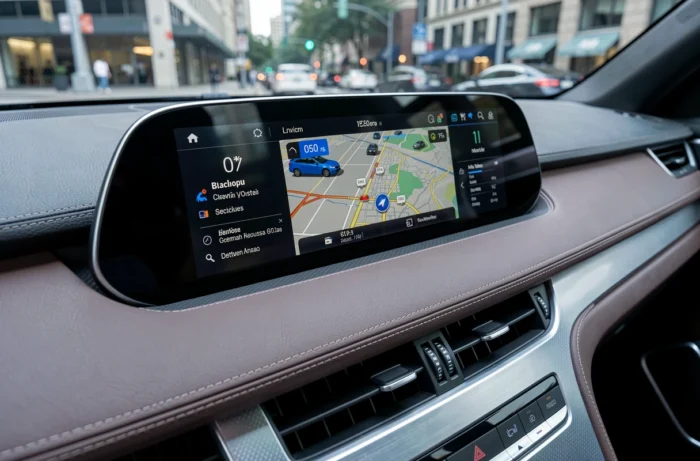
- A visible technological upgrade: screens, connectivity, driving aids that rival German or Japanese standards
- A growing distribution network in Europe, with new brands opening dealerships at a steady pace, as highlighted by the Journal de l’Automobile in its first half of 2026 report
Electric Vehicle: A Global Market Accelerating Despite Local Barriers
Why is the electric market progressing so quickly in France while there are signs of slowdown elsewhere? The answer partly lies in European regulation. The ban on the sale of new thermal cars starting in 2035 is pushing manufacturers and buyers to anticipate.
In July 2026, the 44,378 electric registrations in France illustrate this dynamic. More than one in three new cars sold in France is now electric. Advances in battery technology (solid-state technologies, new chemistries) allow certain models to far exceed the ranges that deterred buyers two years ago.
What Changes for Consumers in 2026
The offer has significantly expanded. Affordable electric city cars are arriving on the French market, with models priced below 21,000 euros directly targeting the Renault 5. The choice is no longer limited to premium sedans.
On the resale side, the used electric vehicle market has shifted in favor of sellers. Used electric vehicles are reselling better than two years ago, driven by increasing demand and rising new car prices. Reselling an electric car in 2026 has become easier than in 2024.
Beyond the Road: When the Automobile Invests in Other Sectors
A less publicized phenomenon deserves attention. Several car manufacturers are now exploring opportunities outside of automotive, particularly in the defense sector. Skills in mass production, embedded electronics, and energy management are of interest to industries looking to modernize their platforms.
This diversification reflects an economic reality: margins on the sale of new cars are shrinking, and manufacturers are seeking to leverage their industrial expertise elsewhere. This is not a rupture, but a fundamental trend that industry analysts are closely monitoring.
The automotive world of 2026 no longer resembles that of five years ago. Changes are occurring regarding tariffs, the share of Chinese manufacturers in Europe, the electric acceleration, and even industrial opportunities beyond the road. Following these movements in real-time is understanding where the industry is headed before prices and catalogs change.